Making small batches of fresh nut and seed oil at home can be practical when you choose a press that matches your available counter space, ingredients, and cleanup tolerance.
This roundup compares 10 options, from compact hand-crank presses to higher-powered electric machines, with attention to capacity, temperature control, materials, and everyday usability.
Best 10 Oil Presses for Small Kitchens Picks for 2026
Best Automatic Pick
Stainless Steel Household Oil Press

- Automatic preheat and pressing controls
- 304 stainless steel extraction components
- Up to 6 lb/hour processing capacity
Best For: Home users pressing a variety of seeds and nuts
Best Compact Manual Tool
Original Nut and Seed Expeller
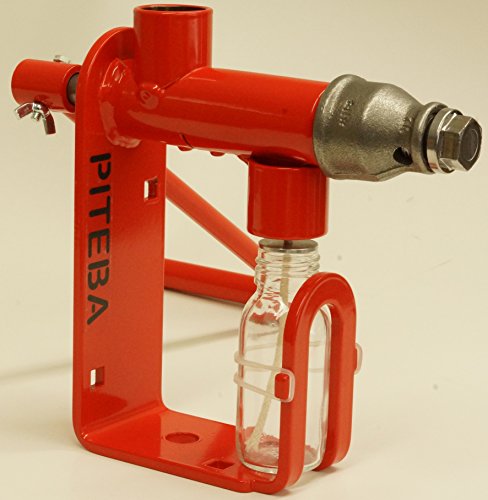
- Manual operation needs no power
- Weighs about 4.14 pounds
- Designed for continuous expelling
Best For: Portable, low-maintenance manual pressing
Best Temperature-Controlled Option

- Adjustable 50–250° temperature range
- Processes about 3–6 kg per hour
- Includes filter, cup, brush, glove, and manual
Best For: Automatic, temperature-controlled nut and seed pressing
Best Simple Manual Set
Piteba Oil Press and Easy Fill Set
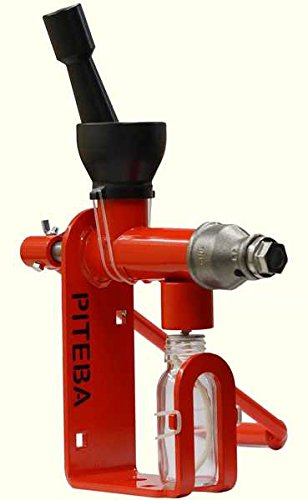
- Manual operation requires no power
- Includes an easy-fill funnel
- Steel press weighs about 5 pounds
Best For: Simple, portable home oil pressing
Best for Easy Setup
Stainless Steel Home Oil Press

- 900W electric pressing with temperature control
- Handles walnuts, peanuts, sesame, and sunflower seeds
- Includes filter, cup, brush, glove, and instructions
Best For: Home cooks seeking automated nut and seed oil extraction
Best Manual Option
Compact Stainless Steel Food Press

- Manual T-handle design needs no electricity
- Presses oil, juice, cheese, and nut milk
- 6.5-pound stainless steel construction
Best For: Occasional small-batch pressing without an electric machine
Best for Adjustable Heat

- Adjustable 50–250°C pressing temperature
- Stated throughput of about 3–6 kg per hour
- 304 stainless steel body with included accessories
Best For: Users wanting temperature control for peanut and sesame oils
Best with Extra Features

- Electricity-free hand-crank operation
- Stainless steel, wipe-clean construction
- Works with several nuts and seeds
Best For: Small kitchens needing a simple manual press
Best Electric Capacity
610W Automatic Oil Press Machine

- Automatic 610W electric operation
- Cold- and hot-pressing modes
- Temperature control and built-in filtering
Best For: Frequent home pressing and larger batches
Best Stainless Steel Manual
Household Cold-Hot Oil Extractor

- 304 stainless steel construction
- No electricity required
- Suitable for many nuts and seeds
Best For: Hands-on home oil pressing with manual control
Best Automatic Pick – Stainless Steel Household Oil Press
For shoppers comparing oil presses for small kitchens, this automatic stainless steel model offers straightforward operation and broad seed compatibility. Its preheat-and-press controls, constant-temperature heating, and integrated cooling fan are designed for efficient home oil extraction.
Best For: Home users who want an automatic press for peanuts, sesame, walnuts, almonds, pumpkin seeds, rapeseed, and similar oilseeds.
Pros:
- Simple preheat, load, and start operation.
- Food-grade 304 stainless steel pressing chamber and screw rod.
- Handles dry or moist oilseeds without pre-roasting.
- Processes up to 6 pounds per hour according to the supplied specifications.
Cons:
- At about 22 pounds, it is relatively heavy for a small kitchen.
- Its 17.3-inch depth may require dedicated counter or storage space.
- Olive oil requires removing the pits beforehand.
This is a capable choice when convenience and material versatility matter more than a compact footprint. The low-temperature operation and cooling fan add practical appeal for repeated home pressing.
Best Compact Manual Tool – Original Nut and Seed Expeller
This manual expeller is a practical option for small kitchens where low weight and simple operation are priorities. It works without an external power source and is designed for continuous expelling with minimal maintenance.
Best For: Users seeking a compact, manually operated nut and seed oil press for home or small-farm use.
Pros:
- Requires no electricity or external power source.
- Compact design weighs about 4.14 pounds.
- Designed for continuous expelling.
- Simple operation with almost no maintenance required.
Cons:
- Manual operation requires more hands-on effort than an automatic machine.
- The supplied notes do not specify compatible seeds or extraction capacity.
Choose this expeller if portability and independence from electricity are more important than automation. Its small footprint suits limited spaces, though buyers should expect manual work during pressing.
Best Temperature-Controlled Option – Automatic Cold and Hot Press
Among oil presses for small kitchens, this automatic model stands out for adjustable heating and a broad range of supported materials. It includes a 50–250-degree temperature range, automatic heating, and a kit with a filter, oil cup, brush, glove, and instruction manual.
Best For: Home users who want automatic pressing with adjustable temperature control for nuts and seeds.
Pros:
- Presses approximately 3–6 kg of seeds per hour, depending on the oilseed.
- Adjustable pressing temperature from 50 to 250 degrees.
- Food-grade stainless steel construction with a copper-wire motor and all-steel gear structure.
- Includes useful accessories for filtering, cleaning, and handling.
Cons:
- At 22 pounds, it is not especially lightweight.
- The supplied notes state that it is not suitable for olive oil.
- Its commercial-style design may need more storage space than a basic manual press.
This machine suits buyers who want more control over pressing conditions and a higher-throughput automatic setup. Its included accessories also make initial setup and cleanup more convenient.
Best Simple Manual Set – Piteba Oil Press and Easy Fill Set
The Piteba set is a straightforward manual choice for shoppers seeking oil presses for small kitchens. Its steel press and plastic easy-fill funnel keep the design simple, while manual operation eliminates the need for an external power source.
Best For: Users who prefer a compact, manually operated oil press with an included filling aid.
Pros:
- Manual design needs no electricity.
- Compact construction weighs about 5 pounds.
- Includes a plastic EZ fill funnel.
- Designed for continuous expelling with minimal maintenance.
Cons:
- Manual pressing requires hands-on effort.
- The supplied notes do not list compatible oilseeds or a processing rate.
- Hand-wash care is specified.
This set is best for buyers who value simplicity, portability, and low equipment demands. It is less suitable if you want automatic heating, electronic controls, or a stated high-volume capacity.
Best for Easy Setup – Stainless Steel Home Oil Press
For shoppers comparing oil presses for small kitchens, this 900W electric model offers an automated approach to extracting oil from ingredients such as walnuts, peanuts, sesame, and sunflower seeds. Its temperature-control system, included accessories, and stainless steel construction make it a practical option for home use, although its 31-pound weight is worth considering.
Best For: Home cooks who want an automatic machine for pressing a variety of nuts and seeds.
Pros:
- Works with several common nuts and seeds.
- Automatic temperature management is designed to support consistent extraction.
- Includes a filter, oil cup, brush, insulated glove, and instructions.
- Food-grade stainless steel components are designed for durability.
Cons:
- At 31 pounds, it is relatively heavy for a small kitchen.
- Hand-wash care requires cleanup after use.
This is a feature-rich electric choice for users who prioritize convenience and ingredient flexibility. Before buying, measure your available counter and storage space to accommodate its 18.1-inch depth and substantial weight.
Best Manual Option – Compact Stainless Steel Food Press
If you are looking for oil presses for small kitchens without adding an electric appliance, this manual stainless steel press is a flexible alternative. It is designed for oil, juice, and cheese pressing, and its 0.53-gallon capacity and 6.5-pound weight make it easier to move and store than the larger electric machines in this roundup.
Best For: Small-kitchen users who want a manual press for occasional oil, juice, or cheese projects.
Pros:
- Manual operation requires no electrical connection.
- Multi-purpose design supports cheese, juice, oil, and nut milk applications.
- T-handle provides leverage to make pressing smoother.
- Detachable parts are intended to simplify cleaning.
Cons:
- Manual operation requires physical effort.
- Its listed capacity is 0.53 gallons, so it may not suit large batches.
- Hand-wash-only care adds cleanup work.
This press makes the most sense when compact storage and versatility matter more than speed or automation. It is especially suitable for occasional batches and users who prefer a straightforward stainless steel tool.
Best for Adjustable Heat – 610W Seed Oil Extractor
For buyers comparing oil presses for small kitchens who want more control over pressing temperature, this 610W electric extractor offers an adjustable range from 50 to 250°C. It is designed for seeds such as peanuts and sesame, includes a full accessory set, and has a relatively narrow 6.29-inch depth, though its 16.53-inch width still requires dedicated counter space.
Best For: Home users who want adjustable hot- and cold-press settings for seed oils.
Pros:
- Temperature can be adjusted from 50 to 250°C.
- Designed to process approximately 3–6 kg of raw material per hour.
- 304 stainless steel construction and a non-fingerprint exterior are intended to simplify maintenance.
- Includes a funnel, oil cup, filter, gloves, brush, and instructions.
Cons:
- The 16.53-inch width may be challenging on a crowded counter.
- Hand-wash care is required.
- The supplied details identify it as a 610W unit, but also mention a separate 150W motor description, which may warrant clarification before purchase.
This model suits shoppers who value temperature flexibility and higher stated throughput. Its adjustable controls are useful for experimenting with different seeds, while the wider body means careful placement is important in a compact kitchen.
Best with Extra Features – Harayaa Hand-Crank Oil Press
If you want oil presses for small kitchens without adding another electrical appliance, this manual stainless steel model offers a straightforward hand-crank setup. It is designed for home use and lets you control the pressing process directly.
Best For: Small households that want a compact, electricity-free press for nuts and seeds.
Pros:
- Manual operation requires no electricity.
- Stainless steel construction is designed to be sturdy and easy to wipe clean.
- Suitable for peanuts, rapeseed, walnut, tea, and sunflower seeds.
- Supports cold- or hot-pressing needs.
Cons:
- Hand-crank operation requires more effort than an electric press.
- Hand-wash-only care may add cleanup time.
- The listed dimensions are substantial for a small countertop appliance.
This is a practical choice when simplicity, direct control, and no-power operation matter more than speed. Confirm the available counter space before buying.
Best Electric Capacity – 610W Automatic Oil Press Machine
For shoppers comparing oil presses for small kitchens that want less manual work, this automatic electric model combines cold- and hot-pressing modes with temperature control. Its stated 8.8-pound-per-hour capacity is better suited to users who plan to process ingredients regularly.
Best For: Home users who want automatic pressing, adjustable temperature, and higher processing capacity.
Pros:
- 610-watt motor supports automatic operation.
- Offers both cold- and hot-pressing modes.
- Temperature control spans 104–410°F for different ingredients.
- Includes oil-residue separation and an additional filter.
Cons:
- At 22.3 pounds, it is relatively heavy for a small kitchen.
- Its higher capacity may be more than occasional users need.
- Electric operation requires a suitable outlet and counter space.
This model is the more capable option for frequent batches and varied ingredients, but its weight and larger appliance profile should be considered before placing it in a compact kitchen.
Best Stainless Steel Manual – Household Cold-Hot Oil Extractor
This manual stainless steel press is a practical contender among oil presses for small kitchens when you prefer hand operation and physical pressing. It is designed for nuts and seeds, requires no electricity, and uses a press cage that should be heated before pressing for better output.
Best For: Hands-on users seeking an electricity-free press for common oil-bearing seeds and nuts.
Pros:
- 304 stainless steel construction is rustproof and heat resistant according to the supplied details.
- Manual operation avoids electricity use.
- Works with nuts, sunflower seeds, sesame, walnut, flaxseed, and other oil crops.
- Includes a stated 24-month warranty or refund assurance.
Cons:
- Hand operation requires physical effort.
- The press cage needs about 10 minutes of heating to support oil output.
- Freshly pressed oil should cool for 5–7 hours and be consumed within 2–3 days.
This press suits users who value manual control and stainless steel construction, but the preheating and post-press storage guidance make it less convenient for quick, occasional use.
How We Picked the Best Oil Presses for Small Kitchens
We evaluated these oil presses around the needs of home cooks rather than commercial producers. The most important criteria were countertop footprint, operating method, pressing power, temperature adjustability, feed capacity, cleanup requirements, and the types of nuts or seeds each design is intended to handle.
We also considered practical details such as stainless-steel construction, included accessories, cold- and hot-press settings, voltage compatibility, and whether a model is better suited to occasional batches or more frequent use. Product descriptions can vary, so confirm the latest specifications, dimensions, included parts, and safety instructions before ordering.
Quick Comparison
| Best For | Recommended Type | Why It Makes Sense |
|---|---|---|
| Smallest counters | Manual hand-crank press | No motor, simple storage, and quiet operation |
| Convenient regular use | Automatic electric press | Less physical effort and more consistent pressing |
| Different ingredients | Adjustable-temperature electric model | More control for nuts, seeds, and heat-sensitive ingredients |
| Occasional experimentation | Compact entry-level press | Lower commitment while you learn the process |
Key Buying Factors for Oil Presses for Small Kitchens
Counter Space and Storage
Measure both the machine’s footprint and its height beneath cabinets. A compact press is easier to leave assembled, while a heavier model may need a dedicated storage spot. Removable components can make cupboard storage more practical.
Electric or Manual Operation
Electric presses are faster and easier for repeated batches, but they may be louder, heavier, and more demanding to clean. Manual presses are usually simpler and quieter, although they require steady hand pressure and may produce smaller batches.
Power, Temperature, and Ingredients
Higher wattage can help with tougher ingredients, but it does not automatically guarantee better oil yield. Adjustable heat is useful when switching between seeds and nuts, while cold pressing is preferable when minimizing added heat is a priority. Always follow the manufacturer’s ingredient guidance.
Capacity and Cleanup
Choose a hopper and collection setup that fit your normal batch size. Larger capacity is not always better in a small kitchen if it increases bulk or cleanup. Look for accessible pressing chambers, removable parts, included cleaning tools, and surfaces that can be wiped without trapping residue.
Who Should Buy Which Oil Presses for Small Kitchens?
Choose a manual press if you value quiet operation, mechanical simplicity, and occasional small batches more than speed. It is also a sensible choice where outlet access or appliance storage is limited.
Choose a compact automatic press if convenience is the priority and you expect to make oil regularly. These models reduce manual effort, but check their dimensions, noise level, heating behavior, and cleaning process before buying.
Choose an adjustable-temperature or higher-powered model if you work with several types of nuts and seeds or want more control over pressing conditions. These machines can be more versatile, though they typically require more counter and storage space.
For any of these Oil Presses for Small Kitchens, start with modest batches, use clean and properly prepared ingredients, and store finished oil according to the ingredient and manufacturer’s guidance.